SK Innovation E&S and UD IMPACT Hold SOLVE Conference in Busan
Around 250 Korean and Indonesian government, business, university, and investment representatives gather
Sharing I'm in Busan and MAJU:ON outcomes and exploring climate-tech entrepreneurship cooperation
Korea brings strong climate and energy technology and manufacturing; Indonesia brings a large market and young entrepreneurial population. An event connected these strengths to seek climate and energy solutions.
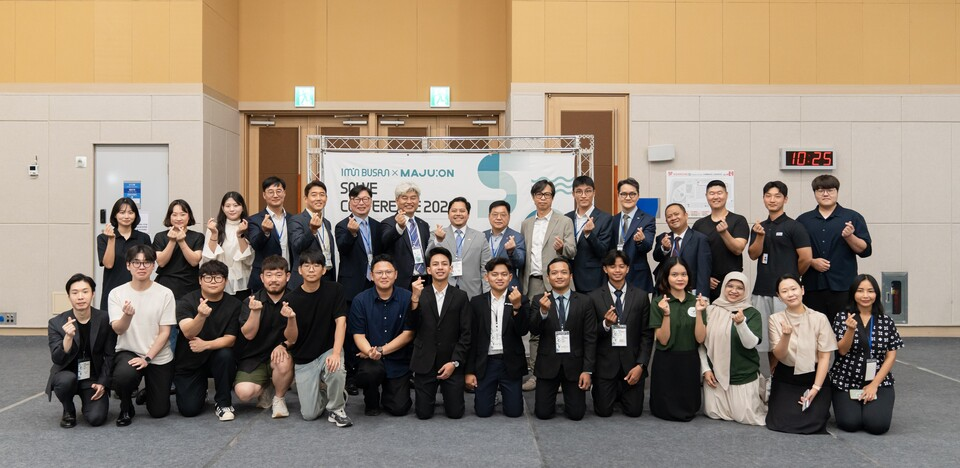
SK Innovation E&S (SKI E&S) and UD IMPACT held SOLVE Conference on the 8th at Busan BPEX. Having run I'm in Busan and MAJU:ON respectively in Busan and Indonesia, they sought synergies by linking climate-tech ecosystems. The aim was practical cooperation combining Busan's local startup development and validation experience with Indonesian markets, talent, and demand.
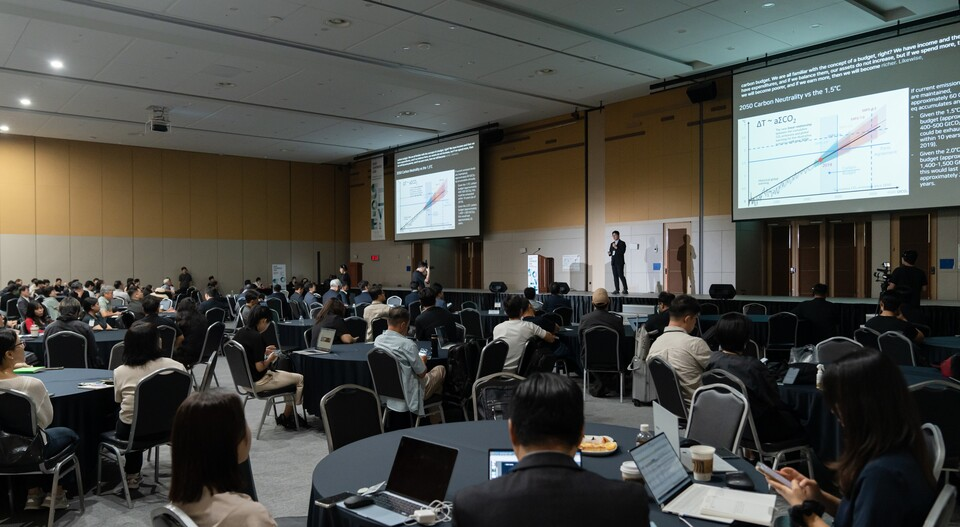
SOLVE stands for Startup, Open, Link, Vitalize, Ecosystem, expressing the ambition to connect startups, companies, public agencies, universities, and others for sustainable climate-tech entrepreneurship. Around 250 bilateral representatives shared policy and investment trends, corporate-startup collaboration, and university entrepreneurship examples.
From Gunsan to Indonesia: Expanding Regional Innovation
In opening remarks, SKI E&S Vice President Jeon Young-jun called for stakeholder cooperation on climate and energy solutions and hoped the event would strengthen bilateral ties and spread innovation models. Deputy Chief of Mission Ali Andika Wardana emphasized Korea's R&D, advanced technology, and industrial knowledge alongside Indonesia's youth, dynamic market, and technological challenges, calling for a two-way bridge. KAIST Professor Kim Hyung-jun's keynote highlighted AI-driven energy consumption and carbon emissions, urging technological innovation to close the resulting gap.
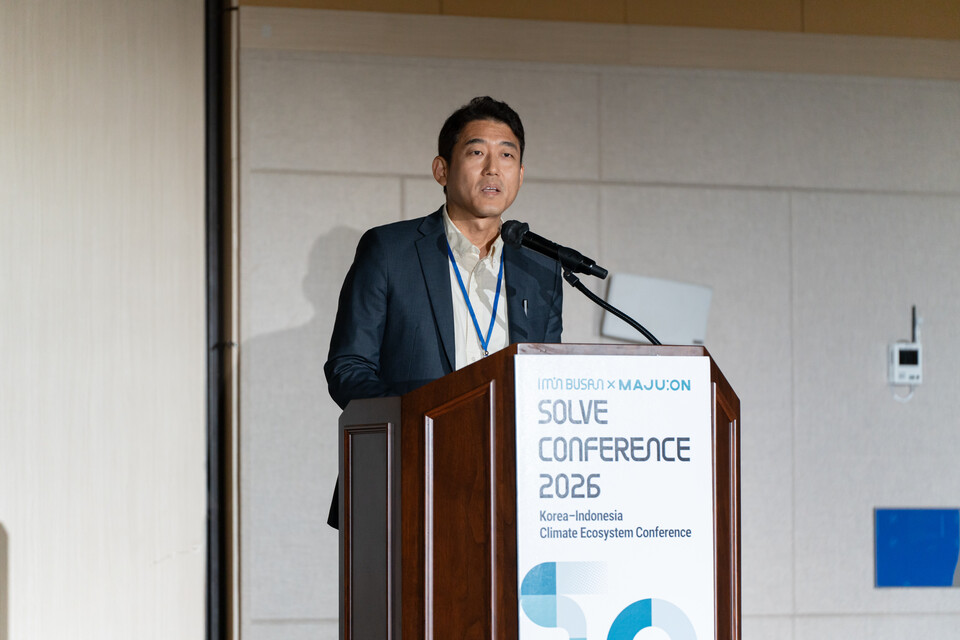
Sustainability Head Ji Yong-min presented I'm in Busan and MAJU:ON results and regional initiatives. Local support began with Localize Gunsan in 2019, providing funding, space, and education for young founders to settle and operate locally. The model expanded through Yeongju and Jeongeup to Busan and Indonesia.
Launched in 2024, I'm in Busan connects citizens, companies, universities, and public institutions to identify local problems and develop solutions. It supported 24 startups in year one around citizen-proposed marine and social issues. Year two focused on energy, climate, and environment with wider regional cooperation. This year supports ten AI, energy, and environmental firms, student hackathons, and networking, using SOLVE to extend Busan's network globally. Over three years, 44 startups and more than 2,000 citizens participated.
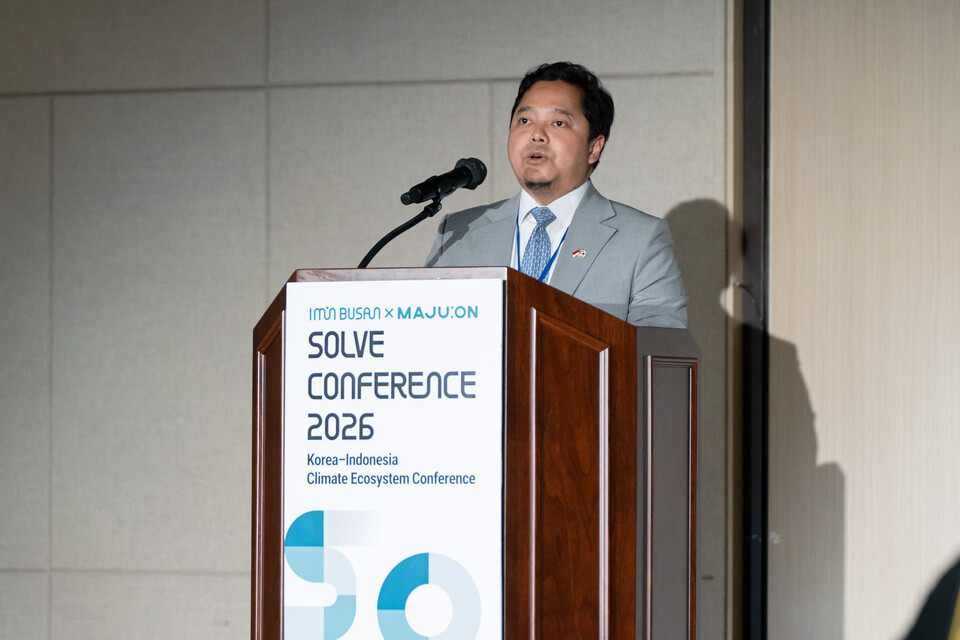
MAJU:ON extends Busan's ecosystem experience to Indonesia. Since last year, SKI E&S and UD IMPACT have worked with universities, investors, and public agencies to identify young founders solving energy and climate issues, supporting education, idea refinement, and commercialization. Eight universities supported online education and offline hackathons; May's Jakarta demo day showcased teams to government and investors. Ji said the company supports climate-tech founders to connect regional stakeholders, strengthen local economic self-reliance, and improve corporate sustainability.
Climate-Tech Solutions from Government, Business, Universities, and Startups
Stakeholders shared climate policies, businesses, and technologies developed in practice. Indonesian KOMDIGI Digital Ecosystem Development Director Sonny Hendra Sudaryana introduced digital and entrepreneurship innovation policy. He emphasized converting technology-created value into productivity and startup growth beyond headline industry expansion. Describing policy pillars of connection (Terhubung), growth (Tumbuh), and protection (Jaga), he called for combined infrastructure, talent, capital, and regulation supporting innovation.
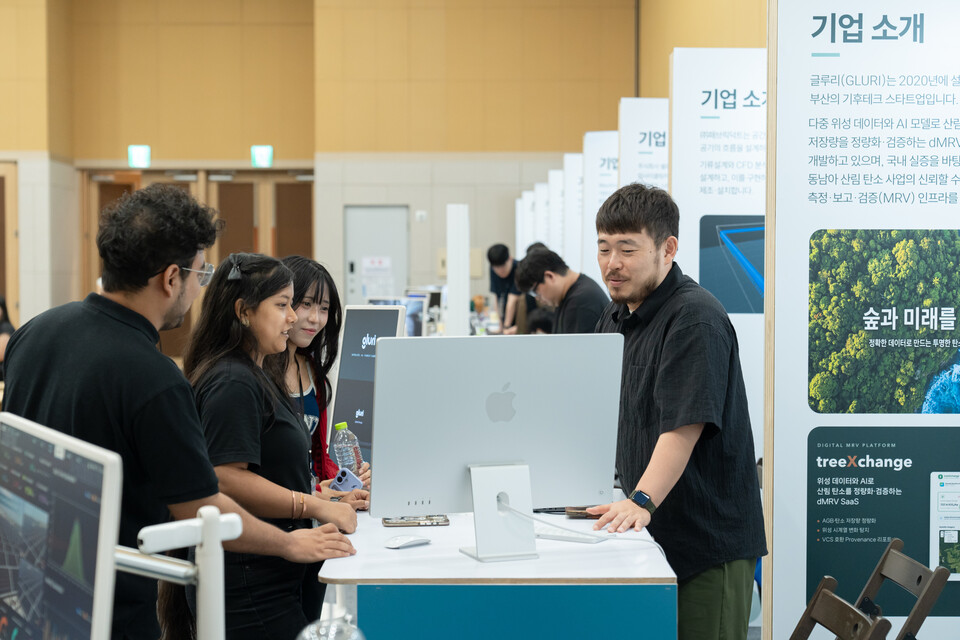
SK SUPEX Council Social Value Committee Lead PL Pyeon Jong-in presented group collaboration examples: SK Materials' regional startups, SK Telecom's ICT open innovation, and SK ecoplant's demand-driven technology partnerships. He said SK expanded cooperation for local problems, business innovation, and social value. Startup development requires shared effort rather than unilateral corporate leadership; combining corporate scale with startup speed and innovative technology produces sustainable outcomes.
Participants including Raon Friends, hackathon winner SAMA, and outstanding MAJU:ON team AIGRA shared experiences. Raon Friends Senior Manager Kim Chi-yeon introduced local power supply using direct electricity trading and energy storage systems in Busan's distributed energy zone.
The I'm in Busan Impact Hackathon on the 5th invited local students to solve environmental and industrial issues with AI. Winner SAMA from Pusan National University addressed Fabric Duct's Indonesian customer-discovery and networking challenges, automatically identifying and analyzing prospects and generating cooperation proposals. AIGRA shared an AI- and IoT-based mushroom cultivation system controlling temperature, humidity, and CO2 to improve agricultural productivity and food security.
Making Korean-Indonesian Climate-Tech Cooperation Concrete
Two special tracks ran simultaneously. Track 1, university climate-tech entrepreneurship, shared bilateral startup, R&D, and entrepreneurship education cases and discussed universities' roles in green ecosystems. Track 2, climate tech and ASEAN entry, examined investment trends, cooperation, entry regulations, local partnerships, promising sectors, and policy changes.
Sopoong Ventures Partner Ji Hyun-seok identified Indonesia's key investment themes as clean energy transition, grid modernization, EV batteries and low-carbon nickel, industrial decarbonization, and CCUS. SD Sambo Director Lee Se-young presented how a forty-year-old shipbuilding equipment company develops climate startups through open innovation. “Startups need a partner creating their first reference, beyond investment,” he said, envisioning Busan as a stage for Indonesian founders to validate technology, raise funding, and cooperate with thirty southeastern manufacturers.
Indonesia's Eco-System co-founder Jonathan Devi examined local investment opportunities and entry strategies. Living Lab Ventures Partner Bayu Seto introduced using Sinar Mas's BSD City for startup validation: portfolio companies test technology and services in the city, validate demand, and then expand nationwide.
SKI E&S President Lee Jong-su said the event brought bilateral stakeholders together for climate and energy solutions and pledged continued youth and SME development. UD IMPACT CEO Kim Jung-heon said both countries already possess sufficient technical capability; the key challenge is mutual understanding. He pledged to close that gap and connect technology, markets, and talent to real cooperation.
Source: The Butter (https://www.thebutter.org/news/articleView.html?idxno=3204)





Korea brings strong climate and energy technology and manufacturing; Indonesia brings a large market and young entrepreneurial population. An event connected these strengths to seek climate and energy solutions.
SK Innovation E&S (SKI E&S) and UD IMPACT held SOLVE Conference on the 8th at Busan BPEX. Having run I'm in Busan and MAJU:ON respectively in Busan and Indonesia, they sought synergies by linking climate-tech ecosystems. The aim was practical cooperation combining Busan's local startup development and validation experience with Indonesian markets, talent, and demand.
SOLVE stands for Startup, Open, Link, Vitalize, Ecosystem, expressing the ambition to connect startups, companies, public agencies, universities, and others for sustainable climate-tech entrepreneurship. Around 250 bilateral representatives shared policy and investment trends, corporate-startup collaboration, and university entrepreneurship examples.
From Gunsan to Indonesia: Expanding Regional Innovation
In opening remarks, SKI E&S Vice President Jeon Young-jun called for stakeholder cooperation on climate and energy solutions and hoped the event would strengthen bilateral ties and spread innovation models. Deputy Chief of Mission Ali Andika Wardana emphasized Korea's R&D, advanced technology, and industrial knowledge alongside Indonesia's youth, dynamic market, and technological challenges, calling for a two-way bridge. KAIST Professor Kim Hyung-jun's keynote highlighted AI-driven energy consumption and carbon emissions, urging technological innovation to close the resulting gap.
Sustainability Head Ji Yong-min presented I'm in Busan and MAJU:ON results and regional initiatives. Local support began with Localize Gunsan in 2019, providing funding, space, and education for young founders to settle and operate locally. The model expanded through Yeongju and Jeongeup to Busan and Indonesia.
Launched in 2024, I'm in Busan connects citizens, companies, universities, and public institutions to identify local problems and develop solutions. It supported 24 startups in year one around citizen-proposed marine and social issues. Year two focused on energy, climate, and environment with wider regional cooperation. This year supports ten AI, energy, and environmental firms, student hackathons, and networking, using SOLVE to extend Busan's network globally. Over three years, 44 startups and more than 2,000 citizens participated.
MAJU:ON extends Busan's ecosystem experience to Indonesia. Since last year, SKI E&S and UD IMPACT have worked with universities, investors, and public agencies to identify young founders solving energy and climate issues, supporting education, idea refinement, and commercialization. Eight universities supported online education and offline hackathons; May's Jakarta demo day showcased teams to government and investors. Ji said the company supports climate-tech founders to connect regional stakeholders, strengthen local economic self-reliance, and improve corporate sustainability.

Climate-Tech Solutions from Government, Business, Universities, and Startups
Stakeholders shared climate policies, businesses, and technologies developed in practice. Indonesian KOMDIGI Digital Ecosystem Development Director Sonny Hendra Sudaryana introduced digital and entrepreneurship innovation policy. He emphasized converting technology-created value into productivity and startup growth beyond headline industry expansion. Describing policy pillars of connection (Terhubung), growth (Tumbuh), and protection (Jaga), he called for combined infrastructure, talent, capital, and regulation supporting innovation.
SK SUPEX Council Social Value Committee Lead PL Pyeon Jong-in presented group collaboration examples: SK Materials' regional startups, SK Telecom's ICT open innovation, and SK ecoplant's demand-driven technology partnerships. He said SK expanded cooperation for local problems, business innovation, and social value. Startup development requires shared effort rather than unilateral corporate leadership; combining corporate scale with startup speed and innovative technology produces sustainable outcomes.
Participants including Raon Friends, hackathon winner SAMA, and outstanding MAJU:ON team AIGRA shared experiences. Raon Friends Senior Manager Kim Chi-yeon introduced local power supply using direct electricity trading and energy storage systems in Busan's distributed energy zone.
The I'm in Busan Impact Hackathon on the 5th invited local students to solve environmental and industrial issues with AI. Winner SAMA from Pusan National University addressed Fabric Duct's Indonesian customer-discovery and networking challenges, automatically identifying and analyzing prospects and generating cooperation proposals. AIGRA shared an AI- and IoT-based mushroom cultivation system controlling temperature, humidity, and CO2 to improve agricultural productivity and food security.
Making Korean-Indonesian Climate-Tech Cooperation Concrete
Two special tracks ran simultaneously. Track 1, university climate-tech entrepreneurship, shared bilateral startup, R&D, and entrepreneurship education cases and discussed universities' roles in green ecosystems. Track 2, climate tech and ASEAN entry, examined investment trends, cooperation, entry regulations, local partnerships, promising sectors, and policy changes.
Sopoong Ventures Partner Ji Hyun-seok identified Indonesia's key investment themes as clean energy transition, grid modernization, EV batteries and low-carbon nickel, industrial decarbonization, and CCUS. SD Sambo Director Lee Se-young presented how a forty-year-old shipbuilding equipment company develops climate startups through open innovation. “Startups need a partner creating their first reference, beyond investment,” he said, envisioning Busan as a stage for Indonesian founders to validate technology, raise funding, and cooperate with thirty southeastern manufacturers.
Indonesia's Eco-System co-founder Jonathan Devi examined local investment opportunities and entry strategies. Living Lab Ventures Partner Bayu Seto introduced using Sinar Mas's BSD City for startup validation: portfolio companies test technology and services in the city, validate demand, and then expand nationwide.
SKI E&S President Lee Jong-su said the event brought bilateral stakeholders together for climate and energy solutions and pledged continued youth and SME development. UD IMPACT CEO Kim Jung-heon said both countries already possess sufficient technical capability; the key challenge is mutual understanding. He pledged to close that gap and connect technology, markets, and talent to real cooperation.
Source: The Butter (https://www.thebutter.org/news/articleView.html?idxno=3204)